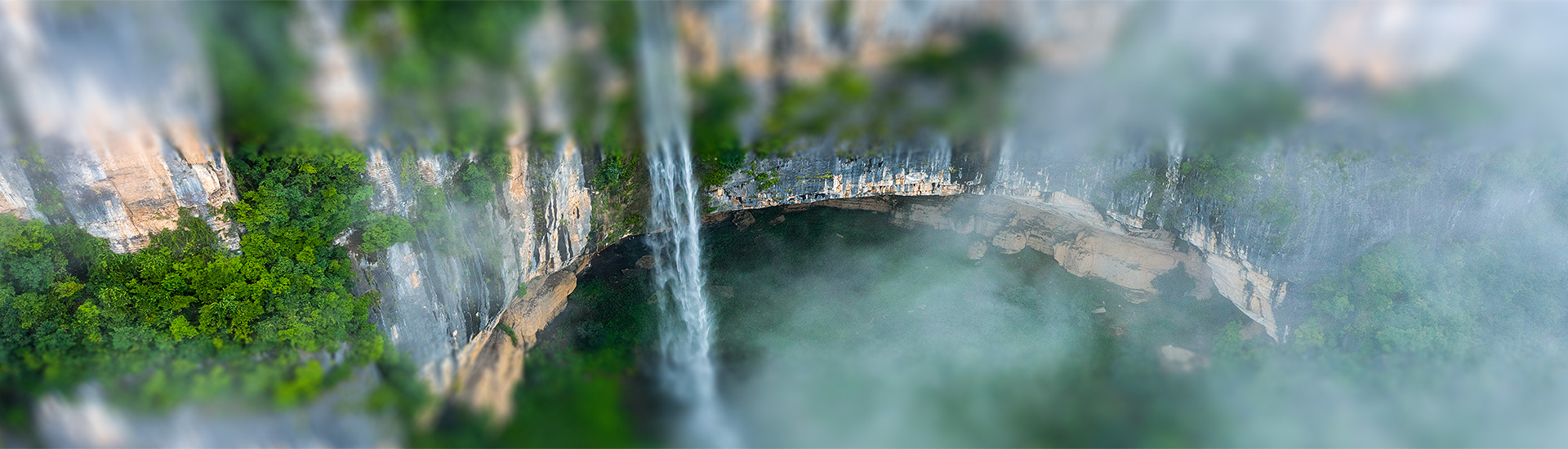
Enshi Daqingjiang Scenic Area
The Melody of Long Chuan Diao, the Soul of Qingjiang River
The folk song Long Chuan Diao, acclaimed as one of the "World's 25 Outstanding Folk Songs" in the 1980s, propelled its birthplace—Enshi Prefecture in Hubei
Province—onto the global stage. It immortalized the "river" that the "young maiden wants to cross"—the Qingjiang River—in the hearts of people worldwide.
Winding through layered peaks and ridges, this river was praised by the Ming Dynasty poet Tong Chang:
"Qingjiang’s waters shallow, Sichuan’s rivers deep;
Sichuan’s waters lack Qingjiang’s clarity.
If Qingjiang matched Sichuan’s mighty flow,
Its fame would rule the world below."
Renowned for its crystalline purity, the Qingjiang River is hailed as "the clearest river on Earth."
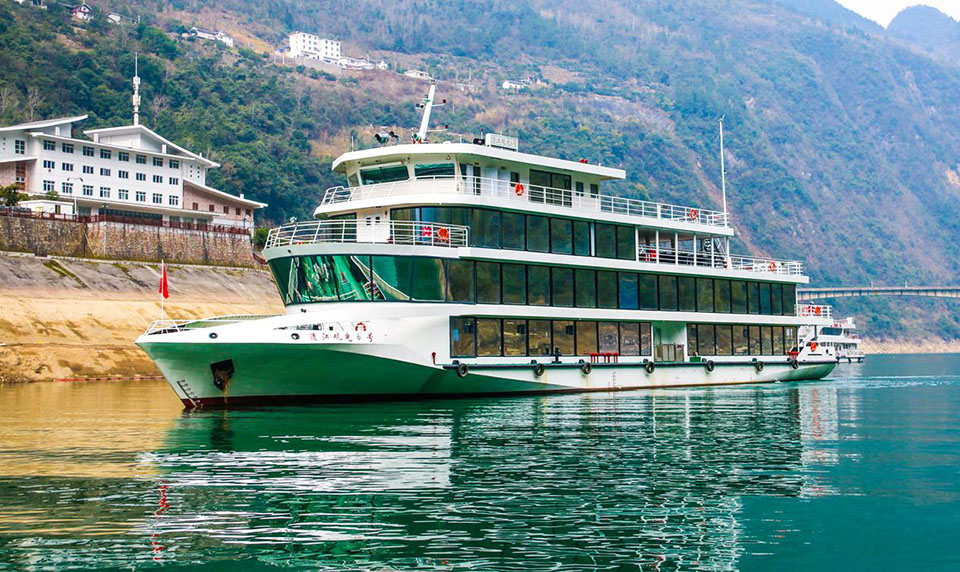
A Journey to Enshi is Incomplete Without Visiting Qingjiang
Just as the Yellow River is the mother river of the Chinese people, the Qingjiang River holds equivalent significance for Enshi, revered as the "Mother River of the
Tujia People".
Like all great rivers, it nourishes an entire ethnic group—the Tujia—sustaining generations of diligent, wise, and courageous descendants.
Historical and Natural Grandeur
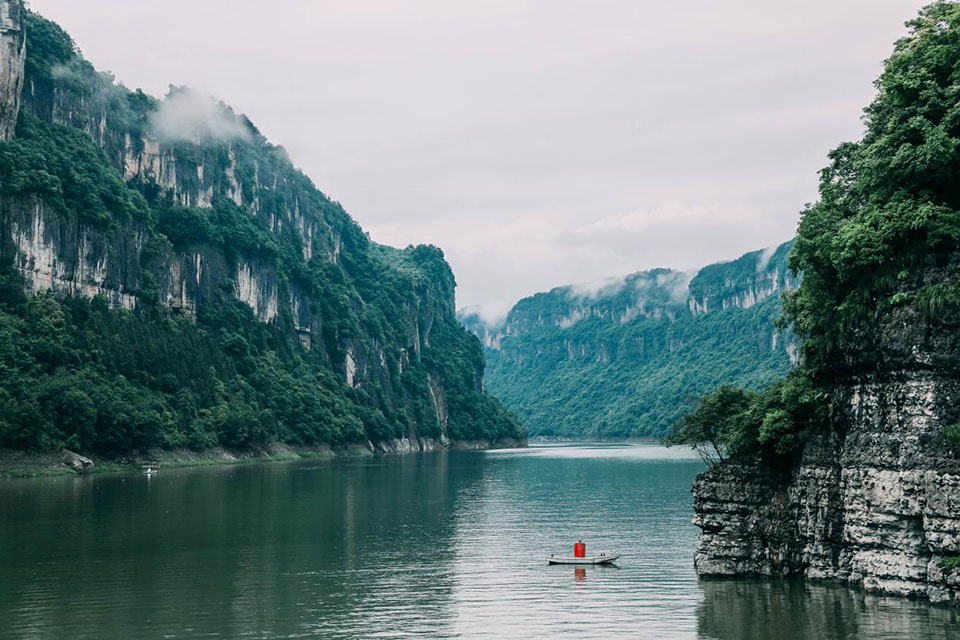
According to Shui Jing Zhu (Commentary on the Water Classic), "The river’s clarity reflects depths of ten zhang; sand and gravel distinct. Seeing its limpid purity,
the Shu people named it Qingjiang (Clear River)." Historically known as Yishui, it resembles a blue silk ribbon—sometimes roaring and surging, sometimes
glistening like scattered pearls,
sometimes flowing subterraneously—meandering 800 li (400 km) from Longdonggou in Qiyue Mountain, Lichuan City, through Enshi Tujia and Miao
Autonomous Prefecture from west to east, finally merging into the Yangtze River in Yidu.
Transformation by Modern Engineering
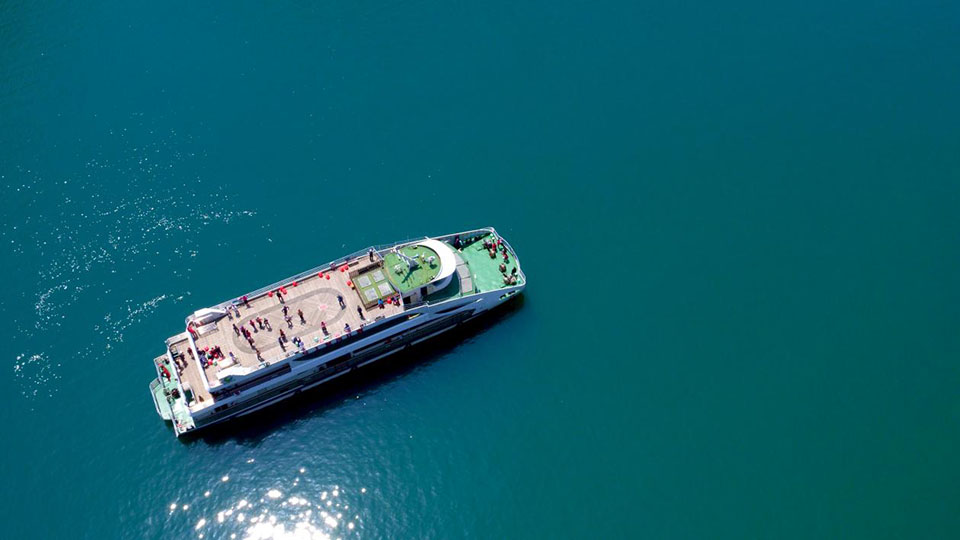
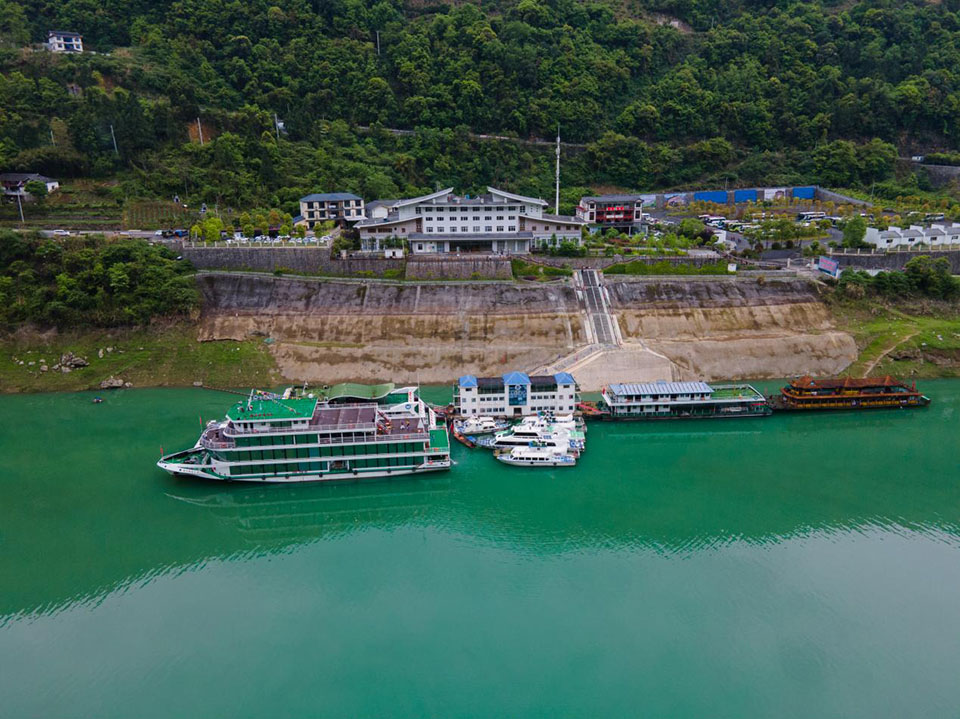
The 800-li Qingjiang unfolds like a painted scroll. With the advancement of its three-stage hydropower development, the Shuibuya Dam—once the world’s
highest concrete-faced rockfill dam—emerged in 2006 in Shuibuya Town,
Badong County. This engineering marvel transformed the Qingjiang within Enshi into a "high gorge and flat lake" (reservoir). Like a Tujia maiden stepping
out of seclusion, the Enshi Qingjiang Scenic Area gradually revealed its splendor, captivating the world with its beauty.
Natural and Cultural Wonders
The Qingjiang conceals countless marvels:
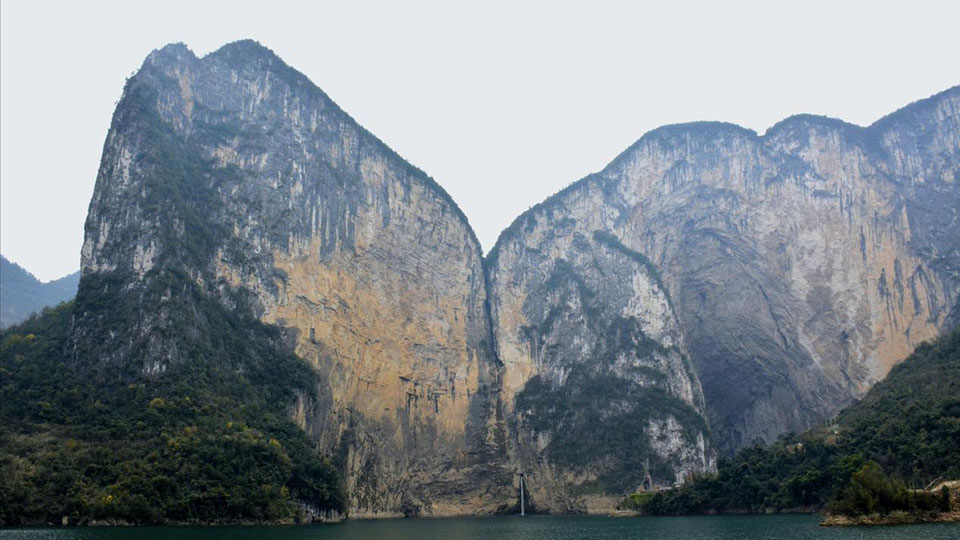
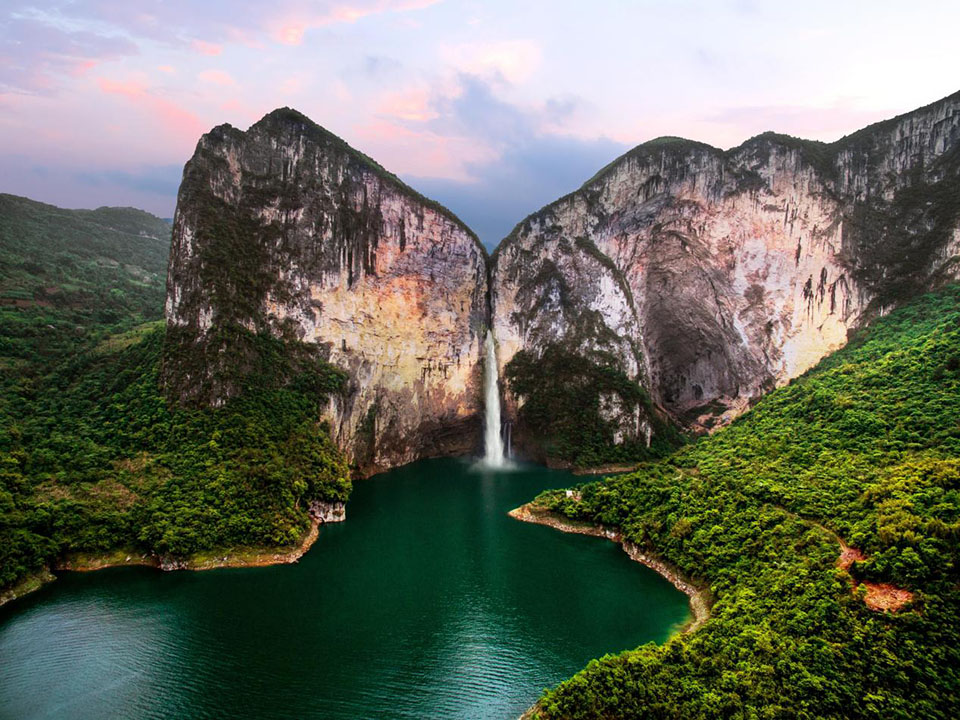
Three Uniques: Winding mountain roads, Butterfly Cliff (蝴蝶崖), Shuibuya Dam.
Three Gorges: Honghua Gorge (红花峡), Thousand Waterfalls Gorge (千瀑峡), Butterfly Gorge (蝴蝶峡).
Three Resemblances: Jingyang Bridge (景阳大桥), Laughing Sleeping Buddha (笑面睡佛), Mount Linjun (廪君山).
Three Legends: The saga of Linjun and the Salt Pool Goddess; the tale of Jian’er; the story of Duangong.
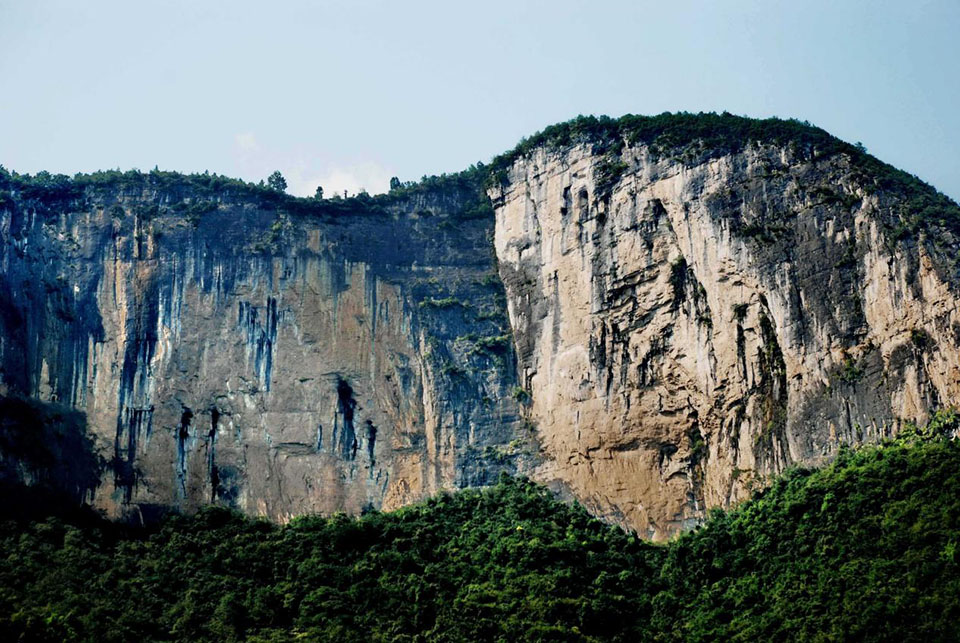
Among these, the Honghua Stone Forest (红花淌石林) and Butterfly Cliff Waterfall stand in majestic harmony, while the Laughing Buddha and Butterfly Cliff sketch
legends into the landscape.
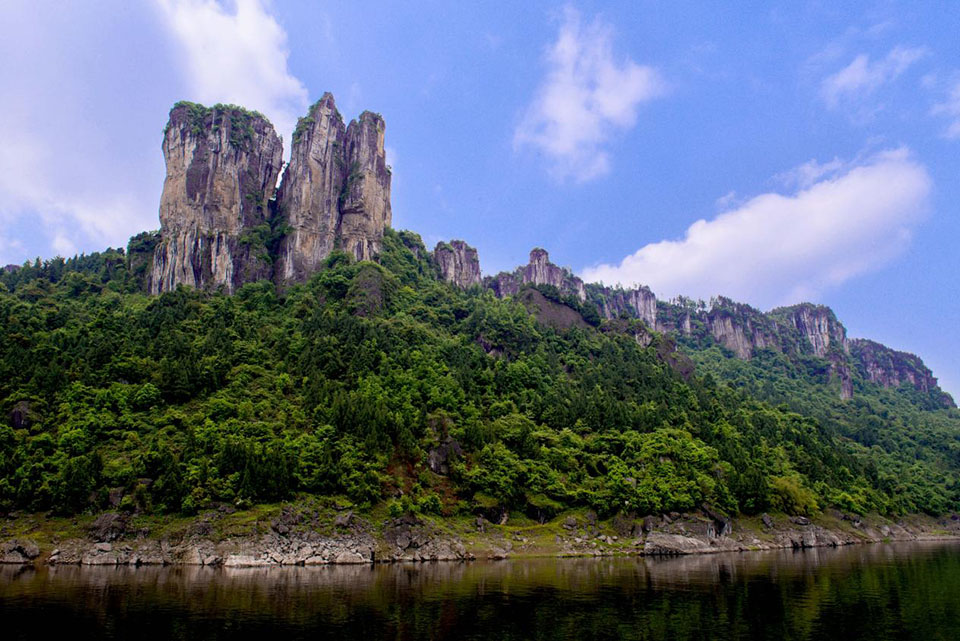
A Treasury of Scenic Diversity
The Qingjiang’s wonders extend far beyond these triads. Hundreds of sites grace its banks: majestic gorges, vertical stone screens, mystical cliff murals, ethereal waterfalls,
and rich Tujia culture. Each season unveils new charms: spring blossoms, summer cascades, autumn foliage, and winter misty snow. Key attractions include:
Natural Landmarks: Miyan Ridge, Honghua Stone Forest, Qifeng Mountain, Dayan Cave Waterfall, Shayadi, Sun Slope, Maweigou, Wujia River, Wuhua Village.
Cultural & Engineering Feats: Jingyang Bridge, Jingyang Town, Jingyang Pass, Reflection Cliff (思过崖), Laughing Sleeping Buddha, Butterfly Cliff,
Mother Teaching Son (慈母教子), Sky Book Reflecting River (天书映江), Yesankou, Bawang Gorge, Bat Mountain, Goddess Stone, Jinguping Tributary, Mount Linjun,
Child Worshipping Buddha (童子礼佛), Five Brothers Peak (五兄弟峰), Sanlicheng (Wuluo Zhongli Mountain), Nantan River, Huilong Ridge, and Shuibuya Dam.